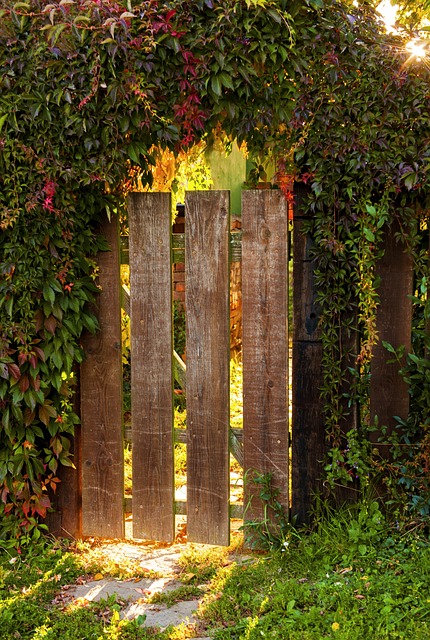
In the face of relentless coastal conditions, durable wooden fencing stands as a resilient and aesthetically pleasing solution. This article explores the unique challenges of coastal area fencing, highlighting the benefits of using robust wood species that can withstand salt spray, strong winds, and fluctuating moisture levels. We’ll delve into the selection process, offering insights on choosing the ideal wood for your fence, and provide essential maintenance tips to ensure longevity. By the end, readers will be equipped to make informed decisions for their coastal fencing needs.
- Understanding Coastal Fencing Challenges
- Benefits of Durable Wooden Fencing
- Choosing the Right Wood Species
- Maintenance Tips for Longevity
Understanding Coastal Fencing Challenges
Coastal areas present unique challenges when it comes to fencing due to the harsh marine environment. Saltwater, strong winds, and salty air can accelerate the deterioration of traditional fence materials, making them less durable and requiring frequent replacements. Additionally, coastal fences must withstand regular storms and potential flooding, which increases structural stress.
These environmental factors highlight the need for robust and resilient fencing solutions. Durable wooden fencing specifically designed for coastal environments should be made from rot-resistant and weatherproof woods like cedar or treated timber to ensure longevity. Such fencing not only enhances the aesthetic appeal of coastal properties but also provides necessary privacy and security while withstanding the rigorous conditions characteristic of these areas.
Benefits of Durable Wooden Fencing
Durable wooden fencing offers several advantages for coastal areas, where traditional materials might struggle against harsh weather conditions and salt air. Firstly, wood from specific species treated to withstand moisture and insects can create a robust barrier that protects properties from relentless winds, waves, and storms. This type of fencing is not just functional; it adds aesthetic appeal with its natural beauty and warmth, enhancing the curb appeal of coastal homes and businesses.
Moreover, durable wooden fencing provides excellent privacy and security while seamlessly blending into the coastal landscape. Properly maintained, these fences can last for decades, making them a cost-effective and eco-friendly choice. Their flexibility in design allows for customization to match local architectural styles, ensuring that new installations complement existing structures and contribute positively to the overall coastal ambiance.
Choosing the Right Wood Species
When selecting wood for coastal fencing, understanding the local climate is key. Saltwater exposure and varying weather patterns can take a toll on any material. Choosing a durable wood species that can withstand these elements is essential. Hardwood varieties like cedar, redwood, or Australian cypress are excellent choices due to their natural resistance to rot, mold, and insect damage. These woods also have a higher density, making them less susceptible to warping or splitting in coastal environments.
Considered a premium option, cedars such as Western Red Cedar offer exceptional longevity and beauty. Their dense fibers act as a natural barrier against moisture, ensuring the fence remains strong and vibrant for years. Additionally, these woods often have a built-in defense mechanism against pests, further enhancing their durability in challenging coastal conditions.
Maintenance Tips for Longevity
Maintaining your durable wooden fencing in coastal areas is crucial for ensuring its longevity. Regular cleaning with a soft brush and mild detergent helps remove salt buildup, which can weaken the wood over time. Avoid using high-pressure washers as they may damage the fence’s finish and structure.
Inspecting your fencing at least twice a year is essential. Look for any signs of rot, mold, or insect infestation. Promptly addressing these issues with appropriate treatments will prevent further damage. Re-staining or sealing the wood annually can also protect it from the corrosive effects of salty air, ensuring your fence remains strong and attractive for years to come.