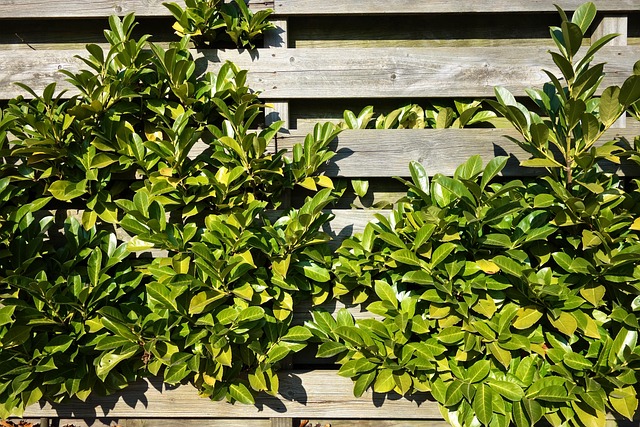
In New Bedford, MA, the quest for sustainable solutions extends beyond urban landscapes, including fencing. Eco-friendly fencing materials offer not only aesthetic appeal but also environmental benefits and enhanced security. This article explores diverse eco-friendly fencing options available in New Bedford, highlighting their advantages over traditional materials. We delve into the benefits of sustainable practices, the role of natural barriers in security, and provide a comprehensive guide to selecting, installing, and maintaining green fences, along with local supplier information for MA residents.
- Eco-Friendly Fencing Options in New Bedford
- Benefits of Using Sustainable Materials
- Natural Barriers for Effective Security
- How to Choose the Best Green Fence
- Installation and Maintenance Tips
- Local Availability & Suppliers in MA
Eco-Friendly Fencing Options in New Bedford
New Bedford, MA, is embracing sustainable practices, and eco-friendly fencing materials are an excellent way to contribute to a greener environment. The city offers a range of options for homeowners and businesses seeking alternative fencing solutions. One popular choice is natural, organic wood fencing, which is not only aesthetically pleasing but also highly durable. These fences are made from certified, sustainably harvested wood, ensuring minimal environmental impact.
Additionally, there’s a growing trend towards using recycled materials like plastic and metal for fencing. New Bedford residents can opt for recycled plastic boards that mimic the look of traditional wood fencing while reducing waste. Metal fences, often made from reclaimed or recycled steel, provide a long-lasting, low-maintenance option with unique design possibilities. These eco-friendly alternatives not only benefit the local ecosystem but also contribute to a more sustainable future for New Bedford.
Benefits of Using Sustainable Materials
Using eco-friendly fencing materials offers numerous advantages for both homeowners and the environment in New Bedford, MA. One of the primary benefits is the significant reduction in environmental impact. Traditional fencing often relies on non-sustainable resources like wood treated with chemicals, which can leach into the soil and water. In contrast, sustainable materials are made from recycled or renewable sources, minimizing deforestation and reducing the carbon footprint associated with production.
Additionally, these materials provide long-term cost savings and low maintenance. Many eco-friendly options are designed to withstand various weather conditions without fading or decaying quickly, eliminating the need for frequent replacement or repairs. This longevity translates into reduced waste and lower maintenance expenses over time. Moreover, some sustainable fencing types can even attract local wildlife, contributing to a more balanced ecosystem in urban settings like New Bedford.
Natural Barriers for Effective Security
In the pursuit of sustainable living, natural fencing materials offer an eco-friendly alternative to traditional options. These organic barriers provide a secure and aesthetically pleasing solution for New Bedford residents. Unlike synthetic fences, which can contribute to environmental pollution, natural materials like wood, bamboo, or plant fibers not only decompose but also support local ecosystems. For instance, using locally sourced wood from sustainable forests ensures minimal carbon footprint during transportation.
Moreover, natural barriers have inherent benefits in terms of security. They provide a level of privacy and protection without the use of chemical treatments or harsh finishes. These fences can be designed to deter intruders naturally through their density or height, reducing the need for additional security measures. In New Bedford’s urban landscape, this blend of functionality and environmental consciousness makes natural fencing a popular choice for homeowners seeking both beauty and security.
How to Choose the Best Green Fence
When considering an eco-friendly fence for your New Bedford, MA property, it’s crucial to assess your specific needs and preferences alongside the environmental benefits. First, evaluate the purpose of the fence – is it for privacy, security, or aesthetics? Each material has unique attributes that cater to different functions. For instance, bamboo fences offer excellent privacy while being highly sustainable, whereas recycled plastic lumber excels in durability and weather resistance.
Next, consider the visual appeal that aligns with your landscaping design. Natural materials like wood chips or bamboo create a harmonious look, while composite options can mimic traditional fencing styles. Check for certifications and labels indicating the product’s eco-friendliness and longevity to ensure you’re making a responsible choice.
Installation and Maintenance Tips
When installing eco-friendly fencing materials, it’s crucial to follow manufacturer instructions for proper placement and depth. This ensures stability and prevents issues like shifting or uneven structures. Regular maintenance is key; inspect your fence regularly for any signs of damage or wear and tear. Remove dead plant material promptly to prevent the spread of diseases and pests. Light pruning can keep your fencing looking neat, but be mindful not to overdo it, as some materials may require minimal care to maintain their natural beauty.
For maintenance, use environmentally friendly cleaning agents if necessary. Most eco-friendly fences will benefit from a periodic power washing to remove accumulated dirt and debris. Keep records of all cleaning and repairs for future reference, allowing you to identify potential patterns or issues that might need special attention. Regular care not only extends the life of your fence but also ensures it continues to serve its purpose as a sustainable boundary in New Bedford’s green landscape.
Local Availability & Suppliers in MA
New Bedford, MA, residents now have access to an array of eco-friendly fencing options thanks to local suppliers who prioritize sustainable practices. Many businesses in the area offer a variety of materials, from recycled plastic and wood composite to natural bamboo and organic fiber. This shift towards greener alternatives not only reduces environmental impact but also provides aesthetically pleasing and long-lasting solutions for landscaping and property boundaries.
Exploring local supply chains ensures that residents support sustainable practices within their community while benefiting from the expertise and personalized service often offered by small, locally-owned businesses. Online directories and word-of-mouth recommendations can guide homeowners in finding reputable suppliers who cater to eco-conscious fencing needs.