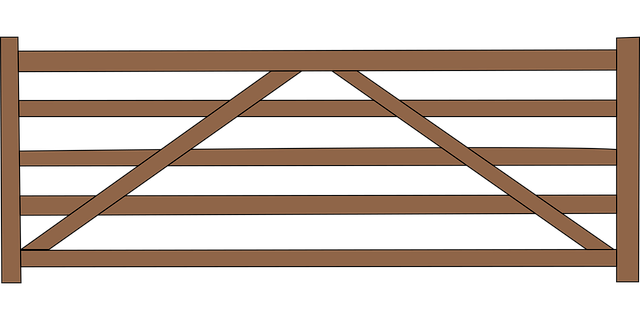
Coastal areas present unique challenges when it comes to fencing due to salt air, high humidity, and frequent exposure to harsh weather conditions. This article explores the ideal solution: durable wooden fencing designed specifically for coastal environments. We delve into understanding these challenging conditions, highlighting the benefits of wood as a sustainable and aesthetically pleasing option. By choosing the right wood species, implementing robust installation techniques, and following simple maintenance guidelines, homeowners can enjoy long-lasting fences that withstand the test of time and the coast’s relentless elements.
- Understanding Coastal Conditions for Fence Durability
- Benefits of Wooden Fencing in Coastal Environments
- Choosing the Right Wood Species for Coastal Use
- Installation Techniques for Maximum Protection
- Maintenance Tips to Ensure Longevity of Coastal Fences
Understanding Coastal Conditions for Fence Durability
Understanding coastal conditions is paramount when selecting durable wooden fencing. Saltwater, strong winds, and fluctuating temperatures can accelerate wood degradation. For instance, salt air can lead to a process called ‘salt damage’, where chloride ions from seawater penetrate the wood, causing structural weakening over time. Thus, choosing a fence designed to withstand these elements is crucial for longevity.
Coastal areas often present unique challenges like high humidity and frequent exposure to harsh weather patterns. Wood treatment methods, such as pressure-treated or naturally durable species, play a significant role in ensuring fence durability. Additionally, proper installation techniques, including elevated posts and adequate drainage, can significantly prolong the life of coastal wooden fences.
Benefits of Wooden Fencing in Coastal Environments
Wooden fencing offers a unique and aesthetically pleasing solution for coastal areas, providing numerous benefits that cater to the specific challenges of these environments. One of its key advantages is adaptability; natural wood can withstand the harsh conditions of salt air and wind, making it a durable option for coastal properties. Unlike some materials, wood doesn’t create a reflective surface that can cause glare, which is essential in coastal regions with beautiful but often intense sunlight.
Additionally, wooden fencing seamlessly blends with the natural environment, contributing to a more harmonious outdoor space. Its organic beauty enhances the overall ambiance of coastal homes and gardens, creating a peaceful retreat. Moreover, wood is a renewable resource, making it an eco-friendly choice that can be easily maintained and recycled at the end of its life cycle, ensuring sustainability in these regions.
Choosing the Right Wood Species for Coastal Use
When considering durable wooden fencing for coastal areas, selecting the right wood species is paramount. Softwoods like cedar and redwood are popular choices due to their natural resistance to rot and insects. However, for areas frequently exposed to salt water and strong winds, these softwoods may not be sufficient. Instead, hardwoods such as oak or ipe offer superior durability and strength against the harsh coastal environment.
Each wood species has unique characteristics that contribute to its suitability for coastal use. For instance, hardwoods have a higher density, making them less susceptible to moisture absorption and subsequent decay. Additionally, certain woods have natural oils that repel water and salt, prolonging their lifespan. Proper treatment, including sealing and occasional refinishing, can further enhance the longevity of these wood species in coastal settings.
Installation Techniques for Maximum Protection
When installing durable wooden fencing in coastal areas, specialized techniques are essential to ensure maximum protection against harsh environmental conditions. One effective method is post-installation bracing, where additional support structures are added to reinforce the fence posts and panels. This technique is particularly crucial for areas prone to strong winds and storms, as it helps prevent post displacement and panel damage.
Another important aspect is sealing and treating the wood before and after installation. Using a high-quality sealant can create a protective barrier against moisture, salt spray, and UV radiation. Additionally, regular maintenance, such as reapplication of sealants and repairs to any damaged sections, ensures the longevity of the wooden fencing. These measures contribute significantly to the overall durability and resilience of the fence in coastal environments.
Maintenance Tips to Ensure Longevity of Coastal Fences
To ensure your durable wooden fence stands strong against the coastal elements, regular maintenance is key. Start by cleaning the fence at least twice a year using a pressure washer or brush to remove salt buildup and other debris. This will help prevent water damage and rot. After cleaning, apply a fresh coat of high-quality sealant specifically designed for outdoor use. Doing so will create a protective barrier against moisture and UV rays.
Monitor your fence closely for any signs of damage, such as warped boards or loose posts. Regular inspection can catch issues early on, making repairs easier and less costly. In severe weather events, take proactive measures like securing loose panels with additional brackets or fasteners. Lastly, avoid over-treating the wood, as excessive sealing can trap moisture, ultimately leading to more harm than good.