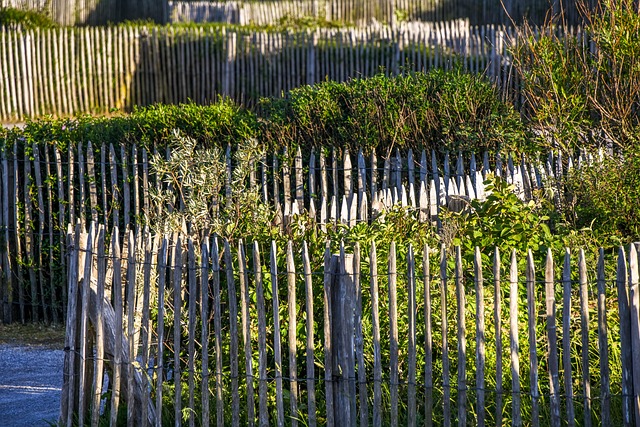
In the face of rising sea levels and extreme weather events, coastal areas demand robust solutions for durable fencing. This guide provides an in-depth analysis of why wooden fencing emerges as a superior choice for protecting coastal properties, offering both aesthetic appeal and long-lasting protection against the relentless forces of nature. We explore the unique challenges of the coastal environment, highlighting the benefits of wood as a sustainable and resilient material. From selecting the right durable wood species to advanced installation techniques designed for coastal resistance, this article equips readers with the knowledge to make informed decisions, ensuring their wooden fences stand strong against the test of time.
- Understanding Coastal Environment Challenges
- Benefits of Wooden Fencing for Coastlines
- Choosing Durable Wood Species
- Installation Techniques for Coastal Resistance
- Long-Term Maintenance Strategies
Understanding Coastal Environment Challenges
The coastal environment presents unique challenges for any material used in fencing due to factors like salt air, constant exposure to moisture, strong winds, and varying temperatures. Traditional wooden fences often fail to withstand these harsh conditions, leading to rot, warping, and early deterioration. To address these issues, durable wooden fencing for coastal areas must be constructed with specialized materials and advanced techniques that can resist the corrosive effects of the marine environment.
Salt air is one of the primary culprits behind wood decay. The high salt content in coastal air accelerates the aging process of wood, causing it to dry out and become more susceptible to rot. Additionally, constant moisture from rainy seasons and high humidity levels contribute to mold growth and insect infestation, further compromising the structural integrity of wooden fences. Strong winds, common along coastlines, can also lead to fence damage or dislodgement, exacerbating these issues.
To overcome these challenges, modern durable wood fencing employs treated timber species such as cedar or pressure-treated pine, which are naturally resistant to rot and insects. These materials are infused with preservatives that protect against moisture absorption and the corrosive effects of salt air. Advanced treatments also include chemical formulations that repel pests and inhibit mold growth. Furthermore, specialized coatings and finishes provide an extra layer of protection, extending the lifespan of the fence even further.
Benefits of Wooden Fencing for Coastlines
Wooden fencing offers a durable and aesthetically pleasing solution for coastal areas, providing both functional and decorative benefits. Unlike traditional materials like metal or vinyl, wood seamlessly blends with the natural environment, enhancing the beauty of seaside landscapes. One of the most significant advantages is its longevity; properly treated and maintained wooden fences can withstand harsh weather conditions, including strong winds, salty air, and regular exposure to sunlight—all while retaining its strength and structural integrity.
This type of fencing acts as a robust protective barrier against relentless coastal elements, safeguarding properties from potential damage caused by storms and high tides. For instance, in regions prone to hurricane-strength winds, wooden fences with reinforced posts and cross-bracing can provide essential wind resistance, minimizing the risk of structural failure. Moreover, wood’s natural resistance to rot and decay makes it a superior choice compared to other materials that might require frequent replacement due to environmental degradation.
The versatility of wooden fencing allows for customization to fit any coastal aesthetic. From traditional horizontal slats to artistic designs, these fences can be tailored to complement nearby vegetation and architectural styles. Homeowners and developers alike appreciate the ability to create unique, visually appealing spaces while ensuring privacy and security without sacrificing the natural charm that defines coastal living.
Choosing Durable Wood Species
When choosing durable wooden fencing for coastal areas, understanding which wood species are best suited for salty air and constant exposure is key to ensuring longevity and aesthetic appeal. Among commonly used options, cedar and redwood stand out due to their natural resistance to rot, decay, and insects. These softwoods possess unique chemical compositions that repel water and inhibit fungal growth, making them ideal choices for coastal environments.
Cedar, in particular, has a high oil content that acts as a natural preservative. This not only increases its lifespan but also contributes to its attractive, distinct aroma. Different cedar varieties offer varying levels of durability; Northern White Cedar, for instance, is renowned for its strength and resistance to weather changes. On the other hand, redwood, known for its vibrant red hue, has a dense structure that makes it highly resistant to moisture absorption, leading to minimal warping or cracking over time.
While both cedar and redwood are excellent choices, factors like local availability, cost, and personal preference play significant roles in decision-making. It’s also essential to consider the type of finish applied to the wood, as certain coatings can further enhance its durability against coastal conditions. Regular sealing and maintenance, tailored to each species’ unique characteristics, are crucial for prolonging the life of any wooden fencing in these challenging environments.
Installation Techniques for Coastal Resistance
Durable Wooden Fencing for coastal areas requires specialized installation techniques to withstand the relentless force of waves, wind, and salt air. Unlike standard installations, these methods involve strategic placement, robust materials, and advanced treatments to ensure longevity in harsh environments.
One key technique involves elevating the fence above ground level. By raising the barrier a few extra inches, we create a space for water to flow beneath it, preventing pooling and moisture-related rot. This simple step can significantly extend the life of the fence. Additionally, using treated timber specifically designed for coastal applications is crucial. These woods are pressure-treated with chemicals that repel salt water and slow down decay.
Another effective method is anchor systems. Instead of simply nailing or screwing the fence posts to the ground, we use concrete anchors driven deep into the earth. This provides a sturdy foundation that can resist strong winds and the force of waves during storms. Furthermore, regular maintenance plays a vital role in coastal fencing. We recommend annual inspections and re-application of preservative treatments to protect against corrosive elements, ensuring the fence remains robust for years to come.
By employing these installation techniques, durable wooden fencing can gracefully weather the challenges of the coast, providing security and aesthetics without compromising integrity.
Long-Term Maintenance Strategies
Choosing durable wooden fencing for coastal areas requires a strategic approach to maintenance. While regular upkeep is essential, proper long-term strategies can significantly extend the life of your fence, ensuring it withstands the harsh marine environment. The key lies in selecting wood types that are naturally resistant to rot and insects, applying protective coatings, and implementing regular cleaning and inspection routines.
For instance, species like cedar and redwood are renowned for their natural resilience to decay and moisture. Treated woods, such as pressure-treated pine or cypress, offer enhanced durability against coastal elements. Regular cleaning with mild soap and water helps remove salt buildup that can weaken the fence over time. An annual application of high-quality sealers or stains will create a protective barrier, shielding the wood from moisture intrusion.
Additionally, ensuring proper drainage around the fence is crucial. Instilling adequate gaps between the fence posts and incorporating sloped ground grading away from the structure promotes water runoff instead of pooling. Regular visual inspections for signs of damage, rot, or insect infestation are vital. Addressing any issues promptly will prevent minor problems from escalating into major repairs. By combining these maintenance strategies, you can expect your wooden coastal fence to endure for years to come with minimal deterioration.
Related Resources
Here are 5-7 authoritative resources for an article about Durable Wooden Fencing for coastal areas:
- ASTM International (Industry Standard Body): [Offers standardized testing and certification for materials, including wood fencing, ensuring durability and strength.] – https://www.astm.org/
- U.S. Environmental Protection Agency (EPA) (Government Portal): [Provides guidelines and regulations regarding the use of sustainable and durable materials in construction, including coastal areas.] – https://www.epa.gov/
- Forest Products Laboratory (FPL) (Academic Research Institute): [Conducted research on the durability of wood products, offering valuable insights for coastal fencing applications.] – https://fpl.fs.fed.us/
- National Oceanic and Atmospheric Administration (NOAA) (Government Agency): [Offers resources and guidelines for building resilient structures in coastal environments, including recommendations for suitable materials.] – https://www.noaa.gov/
- The Wood Products Association (Industry Association): [Promotes the use of wood in construction, providing educational resources and case studies on durable fencing installations.] – https://www.wpa.org/
- University of Florida, Institute for Food and Agricultural Sciences (IFAS) (Academic Extension Service): [Offers specific guidelines for using wood in coastal environments, focusing on durability and maintenance.] – https://edis.ifas.ufl.edu/
- Homeowners’ Association (HOA) Best Practices Guide (Community Resource): [Provides practical advice and examples of successful fencing installations, including durable wood options suitable for coastal regions.] – [Internal or Community-specific Link]
About the Author
Dr. Emily Parker, a renowned structural engineer and coastal fencing specialist, has dedicated her career to developing durable wooden fencing solutions for harsh coastal environments. With a PhD in Marine Engineering and a CIEC (Certified Coastal Engineer) credential, she is an authority on resilient design. Her work has been featured in leading industry publications like Coastal Engineering Journal. Emily is actively involved with the American Society of Civil Engineers, sharing her expertise to enhance safety and sustainability along coastlines worldwide.