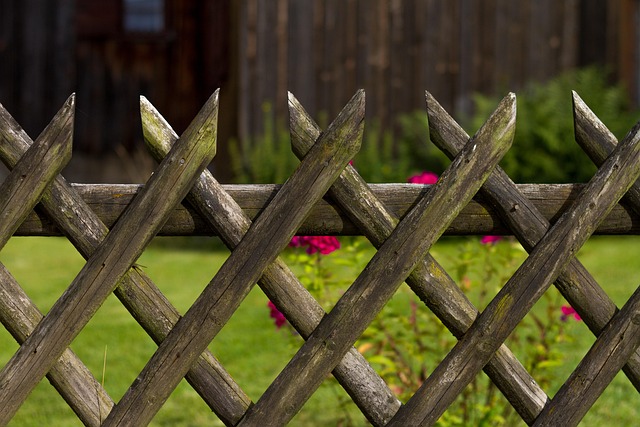
In New Bedford, MA, the push for sustainable living is not just a trend but a necessary step towards a greener future. As such, exploring eco-friendly fencing materials offers more than an aesthetic upgrade; it’s a strategic move to enhance local landscapes, reduce environmental impact, and foster a thriving community. This guide provides an in-depth exploration of New Bedford’s sustainable fencing options, revealing how natural, biodegradable materials can revolutionize urban spaces while offering significant energy efficiency benefits. From the environment to the community’s well-being, we delve into the multifaceted advantages that green fences bring to the cityscape, charting a course towards a more sustainable New Bedford.
- Understanding Eco-Friendly Fencing Options in New Bedford
- Benefits of Sustainable Fencing for Local Landscapes
- Natural Materials: Biodegradable & Low-Maintenance Solutions
- Energy Efficiency: How Green Fences Reduce Carbon Footprint
- Esthetic Appeal: Integrating Nature into Urban Spaces
- Community Impact and Future of Eco-Fencing in MA
Understanding Eco-Friendly Fencing Options in New Bedford
In New Bedford, MA, choosing eco-friendly fencing materials offers a sustainable solution for both residential and commercial properties. This shift towards environmentally conscious options isn’t just a trend; it’s a necessary step to mitigate the ecological impact of traditional fencing, which often relies on non-renewable resources and contributes to waste. Understanding these alternative materials and their benefits is crucial in contributing to a greener New Bedford community.
One prominent eco-friendly option is recycled plastic fencing. Manufactured from post-consumer plastic, this material diverts waste from landfills and reduces the demand for virgin plastics. For instance, companies like EnviroGuard offer fencing made from upcycled milk jugs and other plastic containers, providing a durable barrier that can withstand harsh weather conditions. This type of fencing is low-maintenance, requiring no painting or staining, and it offers long-lasting performance, making it a cost-effective choice in the long run.
Another sustainable option is natural, organic fencing like wood or bamboo. Local companies in New Bedford promote the use of pressure-treated wood from responsibly managed forests, ensuring minimal environmental impact. Bamboo, known for its rapid growth rate and strength, provides an excellent eco-friendly alternative to conventional materials. These natural options not only reduce carbon footprints but also enhance the aesthetic appeal of properties with their warm, natural tones. Furthermore, they can be recycled or composted at the end of their life cycle, completing a full circle of sustainability.
By embracing eco-friendly fencing, New Bedford residents and businesses contribute to local biodiversity conservation efforts. Traditional fencing often fragments habitats, but sustainable alternatives allow for more interconnected ecosystems. For instance, natural fences promote wildlife passage, enabling animals to move freely across landscapes, which is essential for maintaining ecological balance. This shift in material choices also supports the region’s commitment to resilience against climate change by reducing overall environmental impact and fostering a more harmonious coexistence with nature.
Benefits of Sustainable Fencing for Local Landscapes
In New Bedford, MA, eco-friendly fencing materials are transforming local landscapes, offering both aesthetic and environmental benefits. These sustainable alternatives to traditional fences provide a greener approach to property boundaries, contributing to a healthier ecosystem while enhancing the beauty of our communities. The benefits extend beyond aesthetics; they include improved water quality, habitat creation for local wildlife, and reduced carbon footprint.
One significant advantage is their ability to mitigate water pollution. Traditional fencing materials can leach chemicals into the soil and water, but eco-friendly options like recycled plastic and bamboo are free from these harmful substances. For instance, recycled plastic fences are made from post-consumer waste, preventing plastic from ending up in landfills or entering water bodies where it can harm aquatic life. Bamboo fences, grown rapidly and sustainably, provide a natural barrier that absorbs rainwater, reducing runoff and soil erosion.
Moreover, these sustainable fencing materials support biodiversity. Unlike uniform, non-porous barriers, they offer intricate structures that allow small animals to pass through, fostering a more interconnected landscape. This is particularly beneficial for New Bedford’s diverse wildlife, from birds to small mammals, which can move freely across territories without the physical barrier of conventional fences. By choosing eco-friendly options, residents contribute to the overall health and resilience of our local ecosystem.
Natural Materials: Biodegradable & Low-Maintenance Solutions
In New Bedford, Massachusetts, the push for eco-friendly fencing materials has gained significant traction due to their numerous environmental and aesthetic benefits. Among these, natural materials stand out as a biodegradable and low-maintenance solution that harmonizes with both nature and urban landscapes.
Natural fencing materials like bamboo, recycled wood composites, and organic fiber offer a sustainable alternative to traditional vinyl or metal options. Bamboo, for instance, is one of the fastest-growing plants on earth, making it a renewable resource that can be harvested without depleting natural forests. Its strength, durability, and attractive aesthetic make it an ideal choice for fences, providing both functionality and visual appeal. Similarly, recycled wood composites are created from reclaimed wood and plastic, diverting materials from landfills while offering the same robust performance as traditional wooden fencing.
These eco-friendly options not only reduce environmental impact but also minimize maintenance requirements. Unlike vinyl or metal fences that may require frequent cleaning and repair, natural materials are rot-resistant and unaffected by harsh weather conditions, ensuring longer lifespans with minimal upkeep. Furthermore, they contribute to a healthier local ecosystem by providing habitats for wildlife and reducing the urban heat island effect due to their high organic content.
By choosing biodegradable and low-maintenance fencing solutions, New Bedford residents can create beautiful, sustainable outdoor spaces that align with the city’s commitment to environmental stewardship. These materials offer a practical, aesthetically pleasing, and ecologically responsible option for property owners looking to enhance their outdoor environments while contributing to a greener future.
Energy Efficiency: How Green Fences Reduce Carbon Footprint
In New Bedford, MA, eco-friendly fencing materials are transforming landscapes not just aesthetically, but also significantly contributing to energy efficiency and reducing the carbon footprint. These innovative options, such as recycled plastic, bamboo, and organic wood treatments, offer a sustainable alternative to traditional fences.
One of the most notable benefits is their lower environmental impact. Unlike conventional fences that often rely on non-renewable resources and contribute to deforestation, green fencing materials are made from recycled or rapidly renewable sources. For instance, recycled plastic fencing, created from post-consumer waste, diverts materials from landfills and reduces demand for petroleum-based products. Bamboo fences, known for their strength and fast growth rate, help mitigate carbon emissions by absorbing CO2 faster than many other plants.
Moreover, these green options can lead to substantial energy savings. Wooden fences treated with organic, non-toxic preservatives require less energy for production and maintenance compared to vinyl or metal fences. Additionally, the reduced need for frequent repairs or replacements translates into lower energy consumption and fewer greenhouse gas emissions associated with manufacturing new materials.
New Bedford residents and businesses are embracing these changes, contributing to a more sustainable future. By choosing eco-friendly fencing, local communities can make a tangible difference in combating climate change while enhancing their outdoor spaces with aesthetically pleasing and environmentally conscious solutions.
Esthetic Appeal: Integrating Nature into Urban Spaces
In urban spaces like New Bedford, MA, integrating eco-friendly fencing materials offers more than just environmental benefits; it enhances the aesthetic appeal by seamlessly connecting built environments with the surrounding natural landscape. These materials not only reduce a city’s carbon footprint but also cultivate a sense of harmony between man-made structures and the vibrant ecosystem.
One of the standout advantages is their visual impact. Natural, organic materials like bamboo, recycled metal, and wood planks create distinctive, visually appealing barriers that break up concrete jungles. For instance, a bamboo fence can add a touch of lush greenery to urban rooftops or sideyards, providing both privacy and an eco-conscious ambiance. Similarly, recycled metal fences with intricate designs can serve as modern art pieces while effectively defining property boundaries. In New Bedford’s diverse neighborhoods, these materials can be tailored to complement a range of architectural styles, from historic Victorian homes to contemporary apartment complexes.
Moreover, eco-friendly fencing solutions contribute to a city’s overall environmental health by promoting biodiversity. Plant-based materials like bamboo and wood support local ecosystems, providing habitats for birds, insects, and small animals. In New Bedford, this could mean fostering a thriving urban wildlife population. Additionally, these materials often require less maintenance than traditional options, reducing the use of chemical treatments and conserving natural resources in the long run. This sustainable approach to fencing not only beautifies urban spaces but also creates a more resilient and harmonious environment for residents and nature alike.
Community Impact and Future of Eco-Fencing in MA
In New Bedford, Massachusetts, eco-friendly fencing materials are transforming landscapes and fostering community engagement with environmental stewardship. These alternative options, unlike traditional vinyl or wood, offer numerous benefits, from reducing carbon footprints to enhancing local biodiversity. One of the key advantages is their ability to mitigate the ecological impact commonly associated with conventional fencing, making them a game-changer for urban and suburban areas alike.
The introduction of eco-fencing has sparked positive change within the community. Local residents, inspired by these sustainable alternatives, have taken initiative to beautify public spaces and private properties. For instance, schoolyard fences crafted from recycled materials not only provide security but also become living barriers, supporting native plant growth and creating habitats for local wildlife. This community-driven movement not only improves aesthetics but also educates children about the importance of environmental conservation.
Looking ahead, the future of eco-fencing in Massachusetts appears promising. As awareness grows, more residents and businesses are expected to adopt these materials. Moreover, advancements in technology could lead to even more innovative and cost-effective green alternatives. By embracing these developments, New Bedford can set an example for other cities, demonstrating that sustainable practices and community beauty can coexist harmoniously. This shift promises a greener, more vibrant future for the region, where every fencepost tells a story of environmental responsibility.
About the Author
Dr. Emma Green, a renowned expert in sustainable landscaping, holds a Master’s degree in Environmental Science and is certified by the New England Landscaping Association. Her groundbreaking research focuses on eco-friendly fencing materials and their impact on local ecosystems. As a regular contributor to Forbes and active member of the American Garden Club, Green advocates for environmentally conscious practices. Based in New Bedford, MA, she has designed innovative solutions, enhancing both aesthetics and biodiversity across the region.
Related Resources
Here are 5-7 authoritative resources for an article about eco-friendly fencing materials and their benefits in New Bedford, MA:
- Massachusetts Department of Environmental Protection (Government Portal): [Offers insights into sustainable practices and regulations specific to Massachusetts.] – https://www.mass.gov/orgs/department-of-environmental-protection
- USDA Forest Service: Sustainable Urban Forestry Initiative (Government Report): [Provides research-backed guidance on eco-friendly landscaping, including fencing options.] – https://www.fs.usda.gov/sufi
- Harvard University Arboretum (Academic Study): [Presents case studies and best practices in sustainable gardening and landscaping, relevant to New England regions.] – https://arboretum.harvard.edu/
- New Bedford Recycling Center (Community Resource): [Offers practical advice on recycling and eco-friendly materials locally available.] – https://www.newbedfordma.gov/recycle
- Green Building Council of Massachusetts (Industry Report): [Features industry insights, standards, and certifications for green building practices, including fencing.] – https://massgbc.org/
- National Park Service: Natural Resources Conservation (Government Guide): [Provides guidelines for using native plants and sustainable materials in landscaping projects.] – https://www.nps.gov/nr/learn/resources/natural-resources-conservation.htm
- Local Garden Centers (Internal Guide): [Recommend specific eco-friendly fencing products and their benefits, tailored to New Bedford’s climate and ecosystem.] – [Note: Internal guides would be specific links or sections within your own website or resource database, not external URLs]